Some places change your perspective.
Volcanoes, glaciers and turquoise lakes.
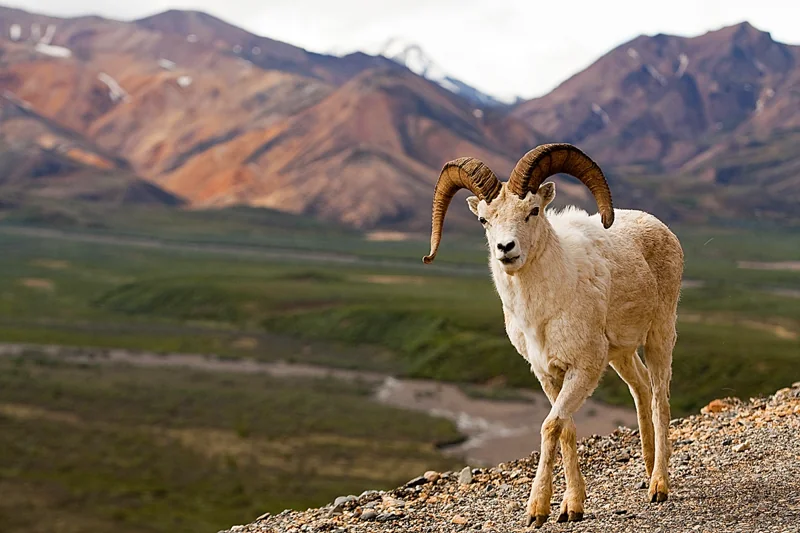
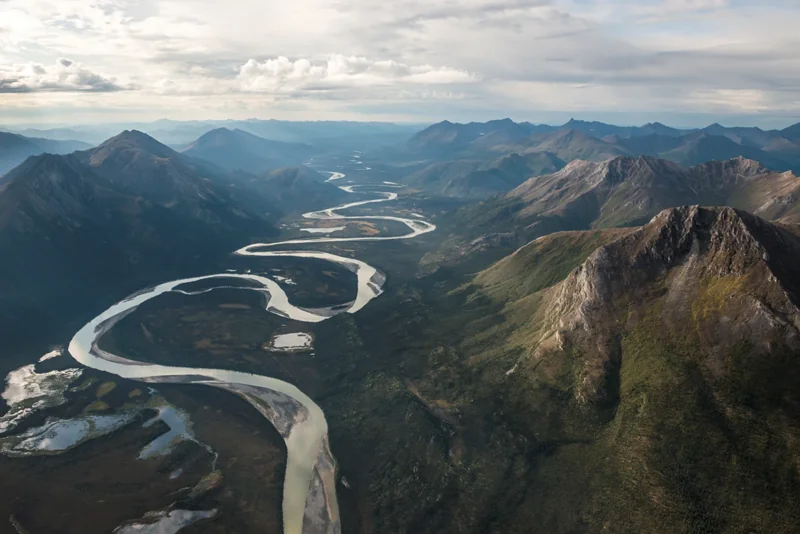
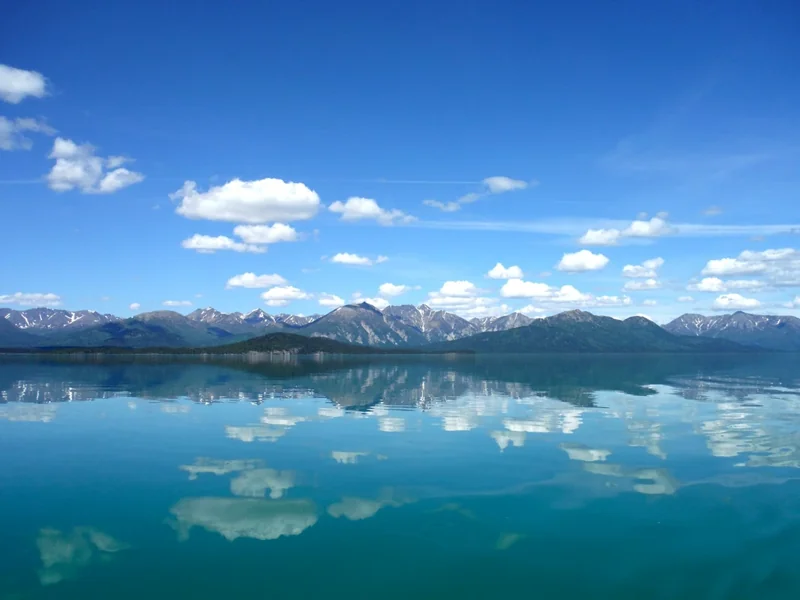
Lake Clark National Park and Preserve is a land of stunning beauty. Volcanoes steam, salmon run, bears forage, and craggy mountains reflect in shimmering turquoise lakes. Here, too, local people and culture still depend on the land and water. Venture into the park to become part of the wilderness.
When to go
Lake Clark has two distinct climate areas: the coast and the interior. The coast is wetter and experiences milder temperatures. The interior gets half to one fourth as much precipitation, but temperatures are hotter in summer and colder in winter. Frost and snow can occur any time parkwide, but are most common from September to early June. Lakes here typically begins freezing in November and melting in April. Ice conditions dictate whether planes need floats or skis to land on lakes.
Getting there
Lake Clark is located on the Alaska Peninsula southwest of Anchorage and north of Katmai National Park. It is not on the road system; therefore, in order to get here you must travel either via plane or by boat. A one to two-hour flight from Anchorage, Kenai, or Homer will provide access to most points within Lake Clark. Fixed-wing aircraft are allowed to land on all suitable lakes, rivers, beaches, gravel bars, and open ground in both the park and preserve unless the area is closed or otherwise restricted.
Park information: National Park Service. Check the official page for current conditions, closures and reservations before you travel.
Before you head out
Start with the official park guide for trip planning, accessibility, reservations and current conditions. Availability and requirements can change throughout the year.
Plan your visit with NPS